



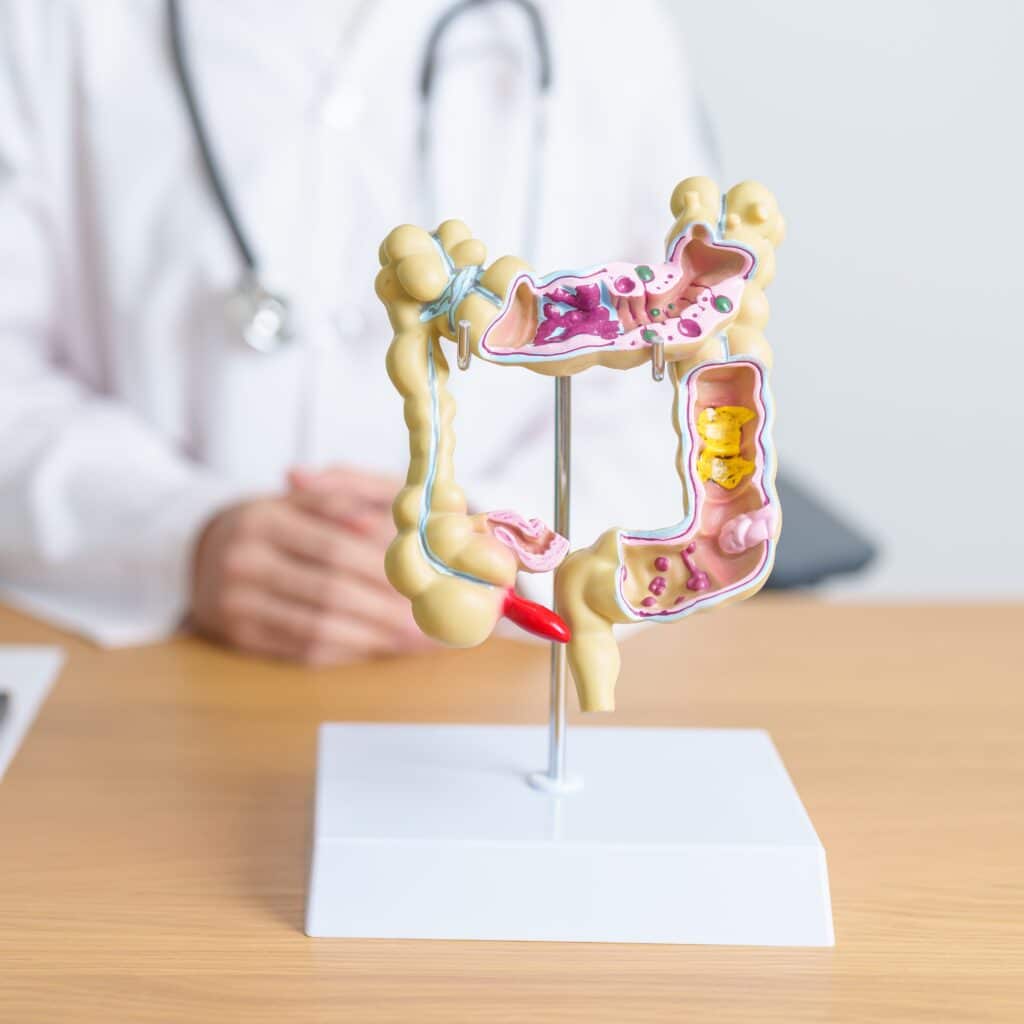
What is a colorectal fistula?
A fistula is an abnormal connection from the colon or rectum to another organ. It is different from an anal fistula, and the treatment is very different. Fistulas may form to the bladder, uterus, vagina, skin, or other portions of the bowel. It is most commonly caused by benign conditions like diverticulitis and inflammatory bowel disease (Crohn’s disease and Ulcerative Colitis) but can also be due to colon or rectal cancer.
What symptoms could I have with a colorectal fistula?
The symptoms that you have will depend on what part of the body is connected to your colon or rectum. Often, patients will have abdominal or pelvic pain and can have fever if there is infection. Patients with a fistula to the bladder may report passing air or stool with their urine. Sometimes, patients will get recurrent urinary tract infections because of the stool and bacteria going into their bladder. In patients with a fistula to the uterus or vagina, they often complain of passing air or stool from their vagina. They can also notice a foul-smelling discharge from their vagina. Patients with a fistula to the skin will typically have recurrent infections or abscesses (pockets of pus) of their skin or drainage of stool, pus, or other fluids from a small opening in the skin.
How is a colorectal fistula diagnosed?
Your surgeon at Sacramento Colon & Rectal Surgery will perform a thorough history and physical exam to help diagnose the fistula. Sometimes, additional tests such as a CT scan or MRI may be performed to help identify the fistula. Often, your doctor will ask the radiology team to insert a tube into your rectum and place contrast dye into your colon and rectum to see if the fistula can be identified.
How is a colorectal fistula treated?
The treatment of your fistula can depend on the underlying disease causing the fistula (diverticulitis, inflammatory bowel disease, cancer, etc.) and the location of the fistula. For fistulas involving the lower part of the rectum and the vagina, you may only require surgery to separate the rectum and vagina and placement of healthy tissue between the rectum and vagina. This often involves a coordinated surgery with a urogynecologist and can involve the use of fat from your labia.
If the fistula involves the upper part of your rectum or the colon, surgery typically ncludes removal of that part of your colon with reconnection of the colon or creation of an ostomy or “colostomy bag”. Surgery for a fistula may also include a repair or resection of the organ which is involved in the fistula. These procedures may involve removal of an additional segment of bowel, repair of the bladder, repair of the vagina, or repair of the uterus or hysterectomy (removal of the uterus) in severe cases. In more complex cases, your surgeon at Sacramento Colon & Rectal Surgery may ask another surgeon, such as a urologist, urogynecologist, or gynecologist oncology surgeon to be involved in your surgery to assist with removal of the other organs involved.